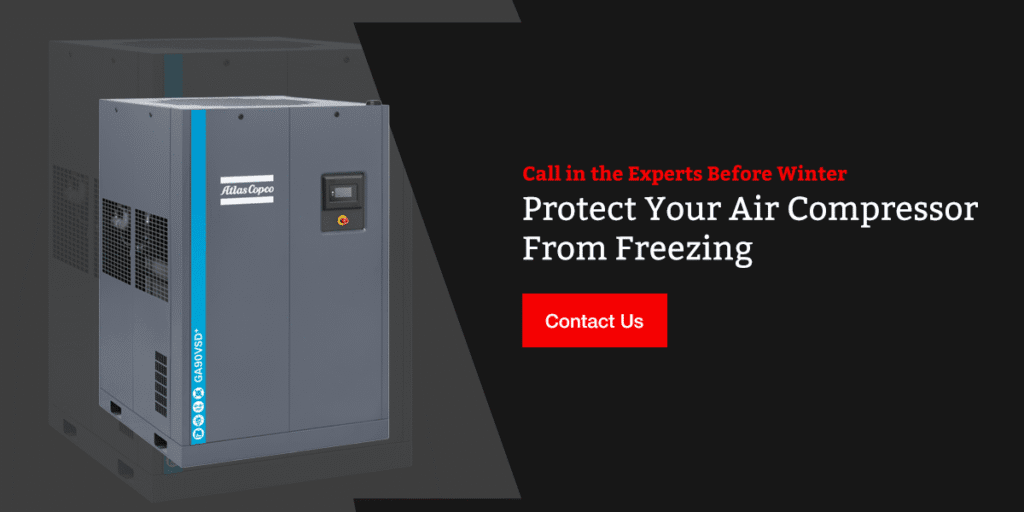
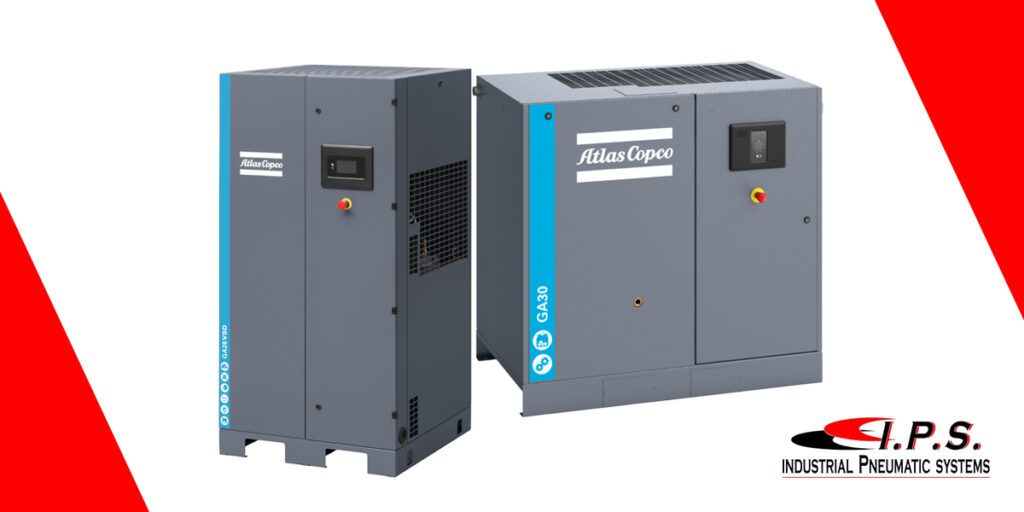
When temperatures drop, it is not just people who feel the freezing weather. Your air compressor is also at risk during colder months. If you do not take the proper steps, you risk frozen condensate and reduced airflow efficiency. No matter your system, cold weather prep is critical. Learn how to winterize your air compressor to keep equipment running all year long.
Why You Need to Winterize Your Air Compressor
An air compressor can freeze if internal moisture or oil solidifies. Colder air might seem harmless, but compressed systems are exposed 24/7. Once the air temperature reaches freezing, moisture inside the lines and tanks can freeze. The ice will block control lines, jam drain valves and even crack heat exchangers. Over time, your compressor will fail faster and break down more often.
Low ambient temperatures also affect system performance. As air cools, relative humidity (RH) rises, creating more condensation for the dryers and separators to manage. Cold temperatures can also impact some compressors’ free air delivery (FAD) and cubic feet per minute (CFM). Their output will drop, forcing the compressor to work harder. More strain means less efficiency and increased repair needs.
Can You Leave Your Air Compressor Outside in the Winter?
You should only leave your air compressor outside in the winter if it has proper weatherproofing, heating and insulation. Without protection, the cold will shorten the compressor’s lifespan. Follow the steps below to prepare your air compressor for the winter months.
Step 1: Protect Against Condensation and Freezing
Condensation and freezing are your first priorities for winterizing. When warm, humid air cools, it collects in the lines, tanks and fittings. Once it reaches freezing, all that liquid solidifies. This ice buildup increases back pressure and can even permanently damage components.
Start by draining condensate daily, especially during temperature swings. If your system includes automatic drain valves, ensure they are cycling correctly and clearly. If you are running the system intermittently during the cold season, you can manually drain everything.
Next, you will reduce the pressure dew point (PDP). Use a desiccant or refrigerated air dryer. These remove moisture before it condenses, preventing corrosion and icing. Use moisture separators for added protection between stages and at discharge points. They capture any remaining liquid before it reaches sensitive tools or controls.
Step 2: Switch to a Winter-Grade Compressor Oil
Cold temperatures make standard lubricants thicker, increasing resistance to compressor pumps and motors. As viscosity rises, the system must draw more amps to maintain pressure, and the bearings and seals begin to take on more stress. Switch to winter air compressor oil to keep everything running smoothly.
Regularly testing the oil will keep the compressor in good condition. Look for water contamination, such as metal particles or coolant leaks. Over time, contamination can damage the system and impact the sealing.
Step 3: Inspect and Insulate Components
The cold will also make rubber parts brittle, which leads to cracking. Before winter hits, inspect all hoses, belts and exterior lines for fraying and buildup. Double-check fittings and couplings for leaks. Once you have inspected everything, you need to wrap exposed air lines and condensate drains with insulation or heating tape. This keeps air temperatures stable. The goal is to prevent ice formation inside lines.
Step 4: Weatherproof the Compressor Area
Whether your unit is inside or outside, you need to weatherproof around it. Stable ambient temperatures reduce system strain, so you can use your compressor longer. Check your manufacturer’s guide for temperature recommendations. If your system is inside, use thermostats and low-ambient heaters to keep the temperature and airflow steady.
For outdoor units, you need to go further. Insulated sheds prevent snow and ice from getting to the system. The system should always have ventilation openings so it does not overheat. If you are investing in heating, avoid open-flame heaters. These can ignite lubricant and vapors, risking everyone’s safety.
Step 5: Check Electrical and Battery Systems
Cold weather is also bad for electrical systems. Batteries lose their capacity in freezing temperatures, reducing starting power and causing poor reliability as the cold drags on. Before winter sets in, test each battery and replace any old or weak units. You want strong batteries that can withstand the toughest temperatures.
After replacing the batteries, inspect all terminals and cables for problems. Corrosion and cracks are entry points for cold to get inside. Clean the contacts and use dielectric grease to prevent moisture and oxidation. If your compressor uses auxiliary heaters, make sure all the electrical components are working correctly.
Next, test each heater element and other systems. Are all the heaters drawing power and warming correctly? Is there a smooth startup? Are all system and safety readings accurate? Testing everything lets you catch problems before they lead to downtime.
Step 6: Perform Preventive Maintenance
Being proactive is the best way to protect air compressors in cold weather. Proper maintenance eventually pays off year-round when you see fewer outages and major repairs. Make sure to:
- Clean or replace the air intake and coolant filters.
- Inspect belts, seals and gaskets.
- Use the recommended winter lubricant.
- Calibrate pressure gauges, dew point monitors and alarms.
- Verify variable speed drive (VSD) function.
- Record PSI and CFM readings.
- Document oil temperature.
Regular inspections help you find problems earlier, when they are minor. These are often easier and less expensive to fix. If readings and inspection results change suddenly, you will know something is up immediately. Changes in your inspection results point to problems, like leaks, that can worsen with cold temperatures.
Step 7: Store Your Air Compressor Properly
Facilities that slow down during winter or have seasonal equipment cannot forget about their compressors. Equipment needs cold-weather storage to avoid damage, even if it is not being used. First, drain all the condensate from the tank, lines and filters to eliminate standing water. Then, disconnect the hoses and tools.
Once everything is drained and disconnected, you need to consider long-term or short-term storage. If you store the compressor indoors, ensure the humidity and temperature suit the unit. If you are storing the compressor outdoors, you need heavy-duty covers and thermal blankets for insulation. If needed, use a small thermostatically controlled heater to stop freezing. The storage space must be ventilated and dry.
Call in the Experts Before Winter
Do not let cold weather slow your operations down. With preventive maintenance and professional support, you can get year-round, reliable air compressor performance. Industrial Pneumatic Systems offers expert air compressor services to help you prevent cold-weather issues before they start. We are your one-stop shop for everything air compressors.
As an Atlas Copco Diamond Award distributor, I.P.S. provides unmatched technical expertise and energy-efficient solutions. Our customers can enjoy free consultations, rapid support and a price-match guarantee on parts and compressors. Our team is here to keep your system optimized for productivity. Contact us to schedule your winter maintenance service and protect your air compressor from the cold.